Every year, thousands of new mobile apps launch in Canada and around the world. However, most apps fail within the first year. The biggest reason is simple, founders build apps that people do not actually need. This is why smart founders always validate an app idea before development.
Many startups spend months developing an app. They invest thousands of dollars in coding, design, and marketing. Later, they discover that users are not interested.
Instead of guessing, successful startups test their ideas with real users first. They study customer problems, check market demand, and collect feedback before writing code. This process helps reduce risk and saves time and money.
Before building your product, many founders also work with a professional custom mobile app development company to understand technical requirements, budget, and scalability.
If you are planning to launch a mobile app, this guide will help you understand how modern startups use app idea validation to build successful products.
Why Most Apps Fail Before Success?
Many entrepreneurs focus too much on the app idea itself. However, users only care about solving their problems.
According to CB Insights, 42% of startups fail because there is no market need for their product.
Here are some important facts:
- The average mobile app MVP can cost between CAD $50,000 and CAD $150,000
- Most apps take 6 to 9 months to launch
- Thousands of new apps compete for attention every month
Because of this competition, startups cannot afford to guess. Today, startup app ideas validation helps founders make smarter business decisions before spending money on development and marketing.
What Does It Mean to Validate an App Idea?
To validate an app idea means testing whether your app solves a real problem for real users. Instead of building the full app immediately, startups first test:
- User interest
- Problem severity
- Market demand
- Pricing potential
- Customer feedback
This process helps businesses avoid expensive mistakes. Successful startups like Airbnb, Dropbox, and Buffer all tested their ideas before building complete products.
Looking to build your startup product after validation? Connect with the best saas application development company. Our team of experts helps you develop scalable and high-performing software solutions.
What are the 4 Main Parts of App Idea Validation
Before starting development, founders should focus on four important areas.
1. Problem-Market Fit
First, check whether the problem is serious enough. People only pay for products that solve painful or frustrating problems.
For example:
- Forgetting a password is a small problem
- Losing business customers because of poor scheduling is a major problem
The stronger the problem, the higher the chance of success.
2. Solution Value
Next, ask yourself:
“Does this app solve the problem better than existing solutions?”
Your app should save:
- Time
- Money
- Effort
- Stress
If users already have a good solution, they may not switch to your app.
3. Monetization Potential
A good app also needs a clear way to make money.
Common app monetization models include:
- Monthly subscriptions
- Freemium plans
- In-app purchases
- Advertising
- Transaction fees
Without revenue, long-term growth becomes difficult.
4. Technical Feasibility
Finally, founders must check whether the app is realistic to build.
Some apps require:
- AI integration
- Real-time tracking
- Complex security systems
- Large development budgets
Smart founders always match the idea with available resources.
Step-by-Step Process to Validate App Idea
Now, let’s look at the exact process successful startups follow.
Step 1: Identify the Biggest Risk
Most startups fail because they test everything at once. Instead, focus on the biggest assumption.
For example, if you are building a fitness app, ask:
- Will users pay monthly?
- Do users trust AI workout plans?
- Will users stay active long-term?
Step 2: Talk to Real Users
Many founders skip this step. That is a big mistake. Before building anything, interview potential users.
Ask simple questions like:
- What is your biggest problem with current apps?
- How are you solving this issue today?
- How often does this problem happen?
- Would you pay for a better solution?
Avoid talking too much about your app idea. Instead, focus on understanding the user’s pain points.
Good signs include:
- Users actively searching for solutions
- Users are frustrated with existing apps
- Also, users are already spending money to solve the problem
Bad signs include:
- “It’s not a big issue.”
- “I rarely think about it.”
- “Current solutions work fine.”
Step 3: Build a Simple Landing Page
One of the best ways to validate an app idea is by creating a simple landing page.
You do not need a real app yet.
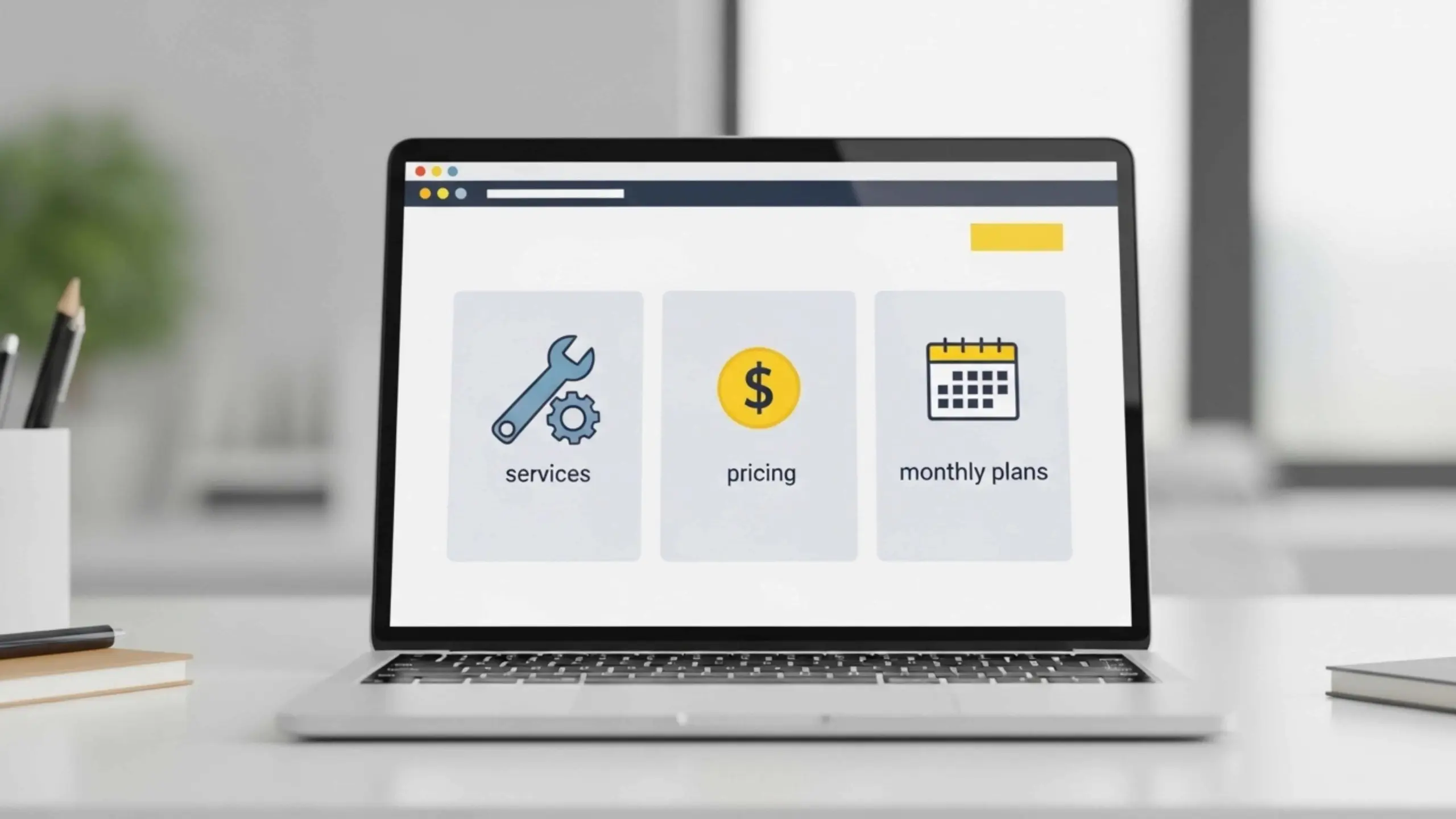
Your landing page should include:
- A strong headline
- The problem your app solves
- Main features
- Benefits for users
- A signup form or pre-order button
Tools like:
- Carrd
- Webflow
- Unbounce
- WordPress
can help create pages quickly. Then run small Facebook or Google ads to test interest. If many users sign up, your idea may have real demand. This is a powerful part of modern app idea validation.
Step 4: Create a Fake MVP
Many successful startups test ideas without real software. This method is called a “fake MVP” or “smoke test.”
For example:
Instead of building a meal-planning app, manually create meal plans for early users. Instead of building an AI assistant, answer requests yourself behind the scenes. This approach helps founders test demand before spending thousands on development.
Step 5: Charge Real Money
Free feedback is useful. However, paid validation is much stronger. If users are willing to pay before the product exists, that is a strong signal. Even small payments matter.
For example:
- CAD $5 pre-orders
- Paid waiting lists
- Beta memberships
- Early subscriptions
People protect their money carefully. Because of this, payment is one of the best validation signals.
Step 6: Study the Results
After testing, review all the data carefully.
Good validation signs include:
- High signup rates
- Positive user feedback
- Strong engagement
- Users asking for launch dates
- Willingness to pay
Weak validation signs include:
- Low interest
- High ad costs
- Poor engagement
- Users ignoring emails
Understand Most Common App Validation Mistakes
Many startups fail because they make simple mistakes.
1. Asking Friends and Family
Friends often give polite feedback instead of honest feedback. Always test with strangers from your target audience.
2. Building Too Early
Some founders start coding immediately. This increases risk and wastes money. Validation should always come before development.
3. Ignoring User Problems
Some founders focus too much on features. However, users care more about solving problems than fancy features.
4. Spending Too Much on Testing
You do not need expensive branding or full app designs during validation. Keep the process simple, fast, and affordable.
Real Startup Validation Example
Many successful startups test their ideas before building a full app. This helps them understand whether people are truly interested in the product.
One simple example is Dropbox.
Before building the full platform, the founder created a short demo video explaining how the product would work. The video showed how users could store and share files easily.
At that time, cloud storage was confusing for many people. The video helped explain the idea simply.
After watching the demo, thousands of people joined the waiting list. This proved that there was strong demand for the product.
Because of this early validation, Dropbox avoided spending huge amounts of money on development before knowing if users actually wanted the service.
This example shows why app validation is important. Even a simple test can help startups understand customer interest before building a complete product.
Why Validation Matters for Canadian Startups?
Canada’s startup market is growing quickly. However, competition is also increasing. Today, Canadian businesses must launch products that solve real problems.
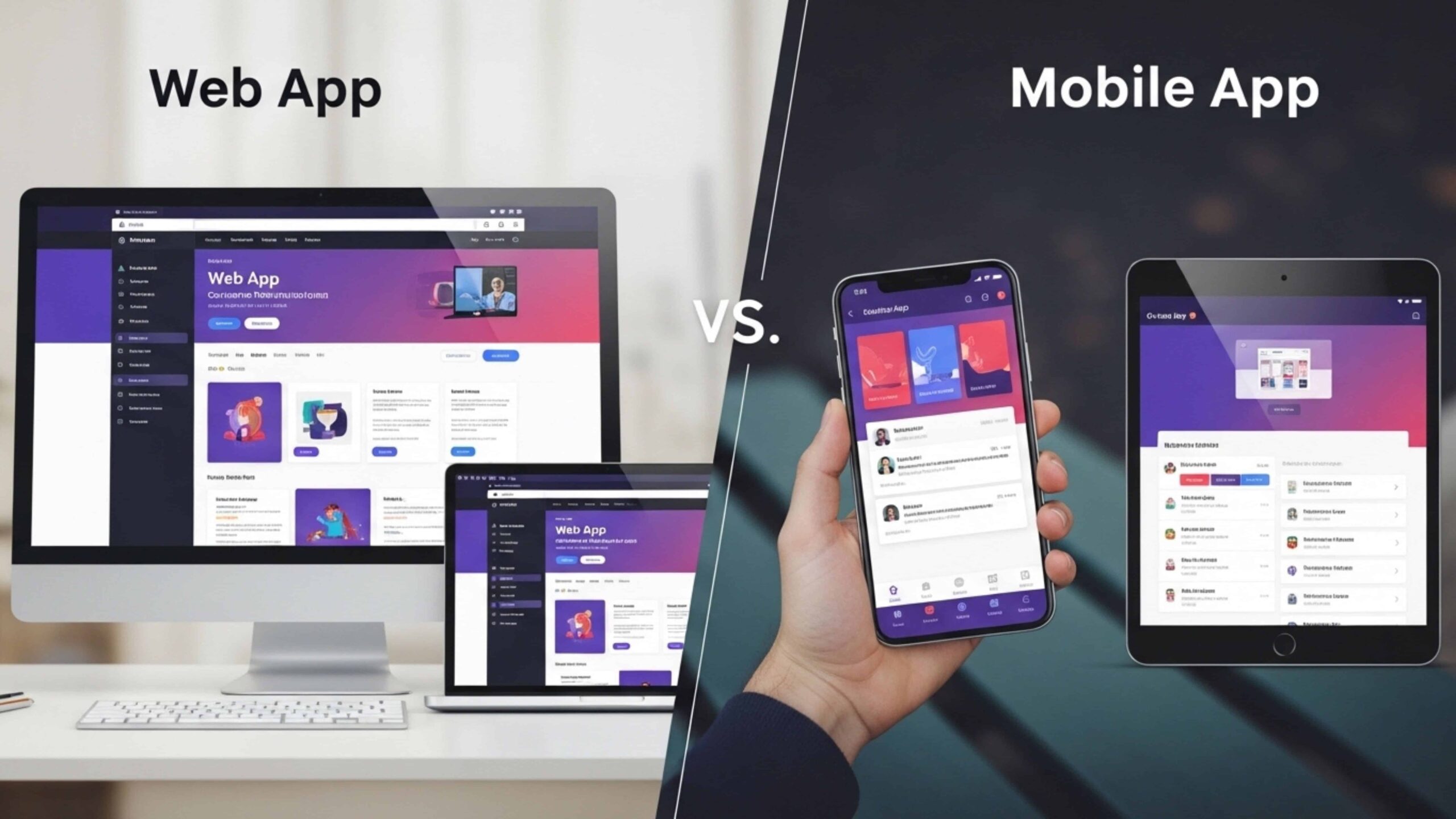
Many startups also compare platforms before development. Reading guides like Web App vs Mobile App: Which is Better for Canadian Businesses can help founders choose the right product strategy.
Strong validation helps startups:
- Reduce development costs
- Launch faster
- Improve product-market fit
- Attract investors
- Increase long-term success
This is why modern founders treat app idea validation as a necessary business step, not an optional task.
Final Thoughts: Startup App Ideas Validation
Building an app without validation is risky. Many startups fail because they assume users will automatically love their ideas. In reality, successful apps solve real problems for real people.
To validate the app idea successfully:
- Talk to users
- Test demand early
- Build simple prototypes
- Collect honest feedback
- Charge real money when possible
The good news is that validation does not require huge budgets. In fact, many successful startups validate ideas within a few days using simple landing pages, interviews, and ads.
Remember, your goal is not just to build an app. Your goal is to build something people truly want to use and pay for.
The more evidence you collect before development, the higher your chances of building a successful startup.