
Let’s start this content with an example. A small e-commerce company needs a new inventory system. They contact developers, and one of them says Laravel is the best choice. Another developer insists that CodeIgniter is a great option. The business owner now faces a tough decision.
We have seen this battle and know the difference. The framework you pick affects everything. It changes how quickly you launch. It impacts your hosting costs. The framework determines if your site can handle sudden traffic surges. Choose the wrong framework now and you might rebuild the entire system later. That costs time and money.
CodeIgniter keeps things simple. It’s lightweight and fast. You get the essential tools without extra baggage. Laravel takes a different approach. It comes packed with features. You get built-in tools for authentication, databases, and more. It follows clear conventions and offers clean syntax.
This guide compares both frameworks on practical factors. You’ll get to learn about which is better, Codeigniter vs Laravel. You’ll understand how each affects your budget and timeline.
By the end, you’ll know which framework fits your specific project needs.
What Is CodeIgniter? A Lightweight PHP Framework
CodeIgniter launched in 2006. It solved a simple problem. Developers wanted to build PHP applications without dealing with complexity. CodeIgniter gave them exactly that.
The framework stays small and fast. You download it and start coding right away. No long setup process. No confusing configuration steps. This simplicity made it popular quickly.
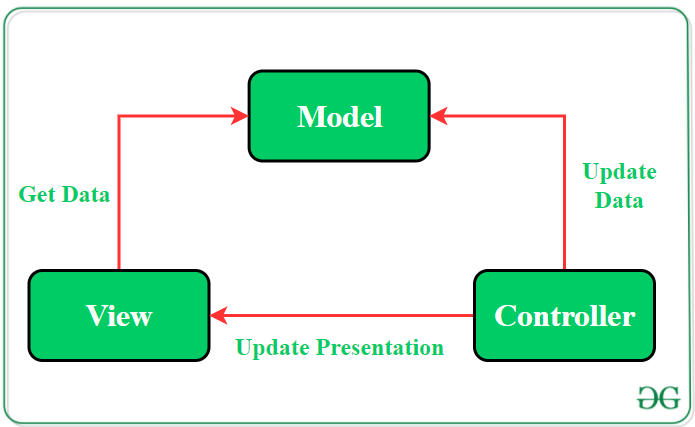
CodeIgniter uses the MVC pattern. This stands for Model-View-Controller. It separates your code into three parts. Models handle data. Views show content to users. Controllers connect everything. The framework doesn’t force strict rules, though. You can adjust the structure when you need to.
(We can use this image here with little alteration in color and remove ‘DG’ logo from bottom – https://media.geeksforgeeks.org/wp-content/uploads/20220203214951/MVCSchema.png )
Many developers still choose CodeIgniter today. There is still so much to talk about CodeIgniter and Laravel performance. The reason developers still use CodeIgniter is simple. It works fast. The entire framework weighs under 2MB. Your pages load quickly. Your server responds faster. You spend less time on setup and more time building features.
Core Features of CodeIgniter
CodeIgniter works best when you need speed over features. You get a solid base without extra weight. The framework doesn’t pack in every tool imaginable. It gives you the basics. You add more only when needed.
This light approach helps in real ways. Your app runs faster and the server uses less memory. Your hosting bills stay lower. Agencies that manage many client sites love this efficiency.
Key advantages include:
- Quick setup with fewer dependencies – You can install it and start coding in minutes. There is not much work at your end.
- Low server and memory usage – It runs well even on cheap shared hosting. You can rely on shared hosting, which is affordable and even runs well for new businesses.
- Beginner-friendly structure – New developers understand the file layout easily. They don’t make mistakes or feel confused about the code and process.
These features suit simple web applications perfectly. Business websites work great. Internal company tools run smoothly. Basic APIs perform well. Projects that need reliability without complications. The framework gives you fast performance. It doesn’t demand powerful servers.
When CodeIgniter Is a Practical Choice
Web development isn’t always about building the next big thing. Sometimes you just need a site running by Friday. The situation might be that your hosting budget is small. Sometimes, simple works better than fancy.
CodeIgniter fits these real situations:
- Small to medium projects – You need a business site that shares info. Or a portfolio that shows your work. Maybe a basic tool that tracks data. These don’t need heavy frameworks.
- Tight deadlines – The client wants it live next week. You can’t spend days learning new stuff. CodeIgniter lets you start building right away.
- Limited hosting resources – Your budget covers basic hosting only. That works fine here. CodeIgniter runs well without big servers.
Startups pick CodeIgniter for their first product often. Getting to market fast matters most. Small agencies use it for client work daily. Projects finish on time without spending too much. Many older PHP apps still run on CodeIgniter. New team members learn it quickly. Updates go smoothly. The simple setup stops confusion. This saves hours and prevents mistakes.
What Is Laravel? A Modern PHP Development Framework
Laravel arrived in 2011 with a fresh vision. The creator wanted PHP development to feel enjoyable. He built Laravel with elegant syntax in mind. Developer happiness became a core priority.
Laravel handles complicated tasks smoothly. Need user authentication? It comes built in. Background jobs? Laravel queues take care of it. Database work? Eloquent ORM makes it easy. The framework thinks ahead. Solutions arrive ready to use.
This is where the CodeIgniter vs Laravel, which is better debate gets interesting. Laravel wins when projects need to scale. Startups use it to build growing products. Big companies trust it for important systems. The framework grows with your needs. Start small. Expand later. No rewrites needed.
Laravel fits modern workflows perfectly. It works well with Vue and React. API development gets support through ready tools. Companies offering full-stack development services often pick Laravel. It handles back-end work and front-end connections smoothly.
Built-In Tools That Power Laravel
Laravel comes with tools that save development time. These features solve common problems before you even face them. You don’t build basic functionality from scratch. Focus shifts to what makes your application unique.
The framework includes everything modern apps need. Database management becomes simple. Template creation is simple with this framework. You will notice command-line tasks run easily.
Core features include:
- Eloquent ORM – You write database queries in plain PHP. No complicated SQL needed. The code reads like natural language. Models connect to tables automatically.
- Blade templating – Clean syntax makes creating page templates easy. Templates reuse components without hassle. The engine compiles them fast. Views stay organized and readable.
- Artisan CLI – Simple commands generate code quickly. Migrations run from your terminal and tasks can be automated in seconds. This increases development speed dramatically.
- Authentication and queues – User login systems work immediately. Password resets function without custom code. It makes background processes run smoothly. Email sending happens asynchronously, keeping apps responsive.
These tools transform how you build applications. Complex features that took days now take hours. Code stays cleaner and your team can move faster. Maintenance becomes easier down the road.
Ideal Use Cases for Laravel
Laravel is key in specific project types. The framework handles complexity well. The best part is that it handles the scalability or business growth. Long-term projects benefit most from its structure. Perfect scenarios include:
- Enterprise applications: Large companies need robust systems. These apps serve hundreds or thousands of users. Complex business rules get handled smoothly.
- API-driven platforms: Mobile apps need strong backends. Headless CMS systems require flexible APIs. Laravel makes API development straightforward.
- Long-term scalable products: SaaS platforms grow over the years. They need new features constantly. Some applications’ user bases expand rapidly. In such cases, Laravel’s architecture supports this evolution.
Laravel is also popular for e-commerce platforms. It handles inventory, orders, and secure payments well. Thousands of transactions can run each day smoothly. Social platforms use Laravel too. It supports real-time features. User activity scales without performance issues.
CodeIgniter vs Laravel Performance: Speed, Scalability, and Optimization
Performance shapes user experience directly. A slow website loses visitors. A fast one keeps them engaged. Think about the last time you waited for a page to load. Three seconds felt like forever. You probably clicked away.
Your framework choice affects page speed. It controls how many users your site can handle. It changes server costs, too. These factors matter for blogs and big business platforms alike.
Lightweight frameworks start fast. They load quickly. Why? They carry less code. Feature-rich frameworks start slower. They load more tools upfront. But speed at launch is different from speed at scale.
CodeIgniter wins the sprint. It boots up fast. The small size means less work for your server. Your pages respond quickly from day one. A basic CodeIgniter app runs well on shared hosting. Small projects with tight budgets benefit most.
Laravel plays the long game. It starts heavier. But it scales better. The framework includes tools that help you grow. Background jobs keep your site responsive. Caching systems speed up repeat visits. Queue management handles traffic spikes.
The CodeIgniter vs Laravel performance question depends on your timeline. Need speed today? Pick CodeIgniter. Need speed at 100,000 users? Laravel gives you better tools. Both frameworks work well with a good setup.
Real-World Performance Factors
Framework overhead affects your baseline speed. CodeIgniter uses less memory per request. Laravel loads more features automatically. Simple tests show this difference clearly.
Raw speed isn’t everything, though. Traffic handling matters more as you grow. Laravel’s queue system processes tasks behind the scenes. Users don’t wait for emails to send. They don’t wait for reports to finish. CodeIgniter needs extra tools for this.
Caching makes both frameworks faster. Laravel includes Redis and Memcached support. CodeIgniter supports caching too. But you set it up manually. Modern apps need caching to scale. PHP remains one of the top 10 web development languages because frameworks like these make speed accessible.
Key points to remember:
- CodeIgniter runs faster at the start with less overhead.
- Laravel scales better long-term through queues and caching.
- Both frameworks get faster with a good setup.
- Your code quality matters more than the framework.
Most speed problems come from bad database queries. Missing cache layers slow things down. Large images hurt performance, too. Framework choice matters less than these issues. A well-built Laravel app beats a messy CodeIgniter app. The reverse is also true. Your coding skills determine real speed more than your framework pick.
Development Experience and Learning Curve
Developer onboarding shapes project timelines. A framework that’s easy to learn saves time. A complex one causes delays. This affects your budget and launch date.
CodeIgniter welcomes beginners warmly. The documentation is short and clear. New developers read it in a day. They start building in hours. The framework doesn’t force complex rules. You write code that makes sense. Teams get up to speed fast.
Think of it like learning to drive. CodeIgniter is like an automatic car. You focus on the road. You don’t worry about gears. Laravel is like a manual car. More controls to learn. But you get more power once you master it.
Laravel needs more upfront learning. The framework follows specific rules. You learn new concepts first. You understand patterns. The grasp of the advanced ideas comes later. This takes weeks, not days. But experienced developers appreciate these structures. They write cleaner code. They fix bugs faster.
Tooling affects your daily work. Laravel excels here. The command line tool creates code instantly. Database changes happen smoothly. You test ideas quickly. These tools boost speed once you know them. This is often why Laravel is better than CodeIgniter for teams building complex products over time.
CodeIgniter keeps tools simple. You get what you need. Some developers like this freedom. Your team’s background matters here. Community support helps when problems arise. Laravel has millions of users worldwide. Thousands of tutorials exist. Videos explain everything. Questions get answered fast. Companies offering backend development services often pick Laravel because skilled developers are easy to find.
Both frameworks deliver results. Beginners launch faster with CodeIgniter. Experienced teams build bigger with Laravel. Your team’s skills should guide this choice. The right framework depends on who’s coding, not just what you’re building.
Why Laravel Is Often the Preferred Choice for Scalable Applications

Laravel is used by over 1.5 million websites on the internet. More companies want Laravel developers now. Tutorial sites publish Laravel content daily. Startups pick it first. This shift shows what modern web projects need.
Apps today must grow fast. Think about any startup you know. They start small. Users arrive quickly. Soon, thousands of people will use the product. The system must handle this jump. Security matters more now. Popular apps attract hackers. Your base needs strong walls from day one.
Modern apps do many things at once. They run mobile experiences. They handle payments. You receive quick alerts and notifications. Many services connect together. Simple tools struggle here. Strong frameworks handle it all.
Security, APIs, and Modern PHP Support
Laravel keeps users safe automatically. Passwords stay protected. Bad attacks get blocked. Harmful code can’t break in. These shields work from the start. You don’t add them later.
APIs become easy to build. Mobile apps need solid backends. Laravel makes these fast. Login systems work smoothly. Speed limits protect your servers. Teams building cross-platform mobile app development services love Laravel because it makes their work simpler.
Testing finds bugs early. The framework has testing tools built in. Writing tests feel quick. Checks run all the time and that means quality stays high. Many people ask which is better, Laravel or CodeIgniter. For growing apps, Laravel wins. Here’s why:
- Strong security and authentication tools
- Built-in testing and debugging support
- Better long-term scalability
Small blogs work fine on both frameworks. Big platforms with many users need Laravel’s power. The choice becomes clear fast. Frontend picks matter too. Need help choosing? Read our Angular vs React Guide for Developers for clear answers on full-stack decisions.
Laravel handles complexity better. It grows with your vision. It protects what you build. These facts explain why so many teams choose it today.
Conclusion: Making the Right Framework Decision
Both frameworks solve real problems. CodeIgniter gets you moving fast. It runs light. It costs less to host. New developers pick it up in days. Laravel handles bigger challenges. It scales smoothly and protects applications better. It includes tools you’ll need later.
Your project type should guide this choice. Small business sites work great on CodeIgniter. Marketing pages load fast. Simple apps launch quickly. Budget hosting works fine. Laravel shines for growing platforms. SaaS products need its depth. E-commerce sites benefit from its security. Mobile backends run smoothly on it.
| Choose CodeIgniter For | Choose Laravel For |
| Small business websites | Growing SaaS platforms |
| Quick MVP (Minimum Viable Product) launches | E-commerce stores |
| Tight budgets | Mobile app backends |
| Limited server resources | Long-term products |
Think about where you’ll be in two years. Will you have the same features? Probably not. Will your user count stay low? Maybe not. Growth changes everything. Planning for it now saves pain later.
Team skills matter too. Have junior developers? CodeIgniter teaches them fast. If you have experienced coders, Laravel lets them build better. Both paths work. Both deliver results.
Saying which is better, CodeIgniter vs Laravel is ultimately comes down to aligning technical capabilities with your long-term business goals. Start with your vision. Match it to framework strengths. Pick the tool that grows with your plans. Your choice today shapes your success tomorrow. Make it count.